Daily / Pre-Start
Visual & Routine Checks
Visual & Routine Checks
Check engine oil and coolant levels. Inspect battery voltage (24–28V DC), fuel level, and check for oil, fuel, or water leaks. Ensure the control panel has no active alarm codes.
A generator set is an integrated energy conversion system that transforms fuel (chemical energy) into rotational torque (mechanical energy) and ultimately into stable AC electrical power.
| Fuel Type | Core Advantages | Key Limitations | Industrial Applicability |
|---|---|---|---|
| Diesel Genset | High thermal efficiency, maximum starting torque, highly durable, reliable fuel storage. | Higher exhaust emissions (NOx/PM), noticeable acoustic signature. | Ideal for Industrial Mining, heavy manufacture, data centers, hospitals, prime site power. |
| Gas (NG/Biogas) | Clean emissions, lower running cost with pipeline access, quieter continuous operation. | Slower transient load acceptance, requires gas pipeline or tank infrastructure. | Ideal for Industrial CHP co-generation, landfills, urban commercial centers, continuous baseload. |
| Gasoline Genset | Lightweight, compact footprint, lower initial purchase cost, easy cold-weather start. | Low power output, high fuel consumption, volatile fuel storage, short continuous run life. | Non-Industrial Restricted to household emergency, small power tools, light commercial. |
| Methanol Genset | Green renewable alternative, low carbon footprint, lower fuel costs in specific chemical zones. | Requires specialized anti-corrosive fuel lines, lower energy density, limited supply chain. | Specialized Use Mainly regional green pilot projects or light commercial backup. |
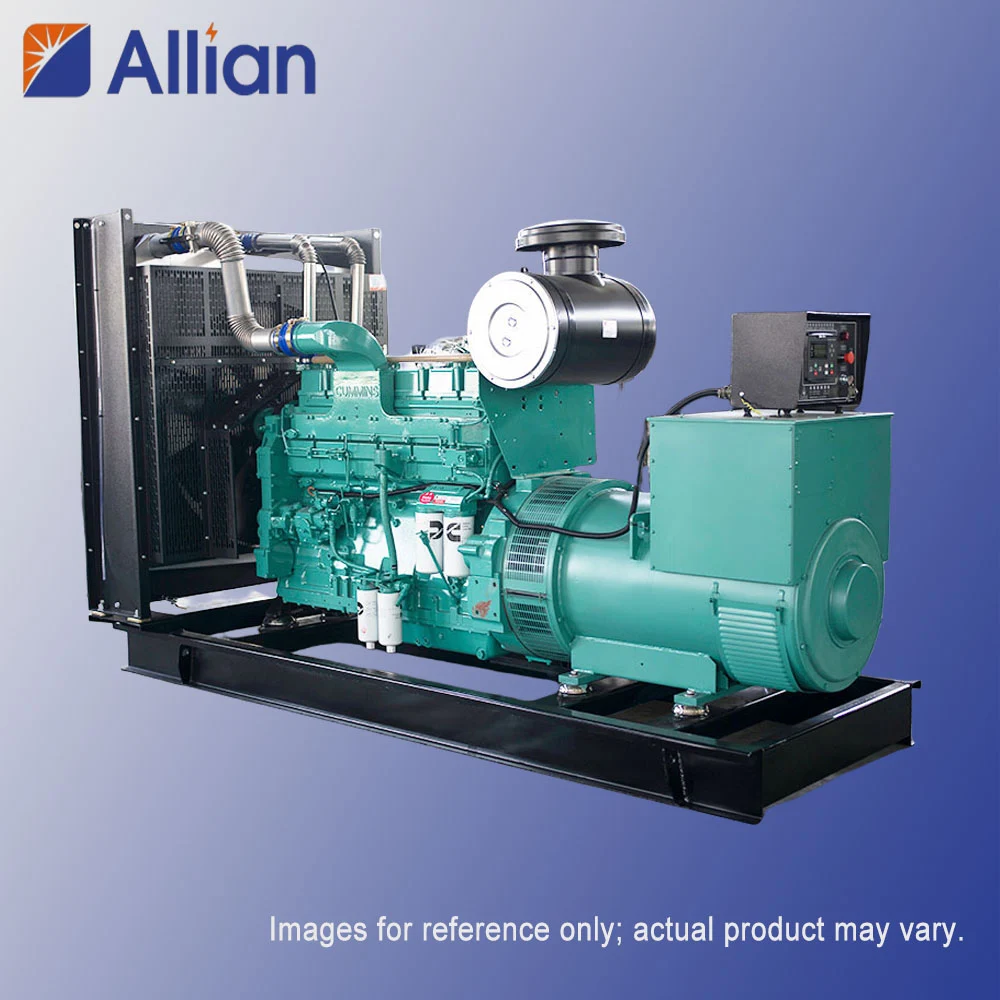
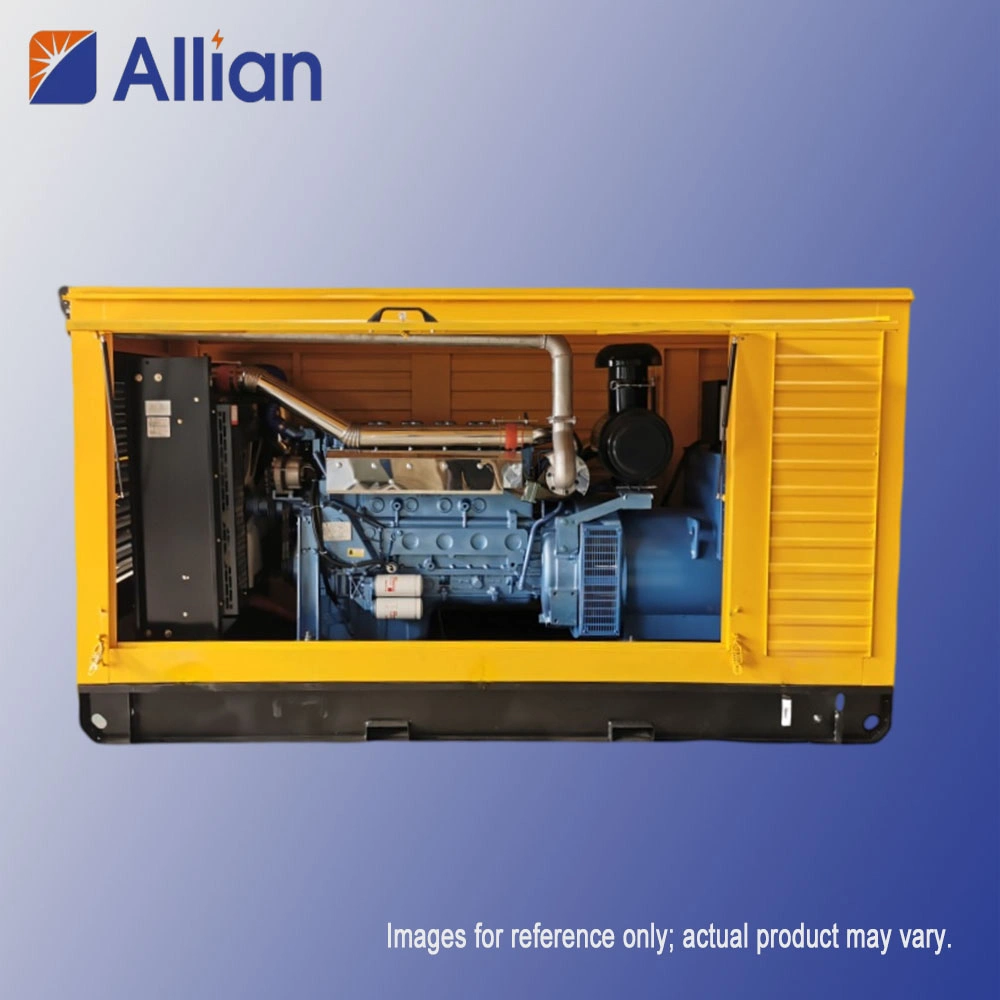
Designed for installation inside dedicated, soundproofed plant rooms. Features direct access for easy maintenance and maximum natural heat dissipation.
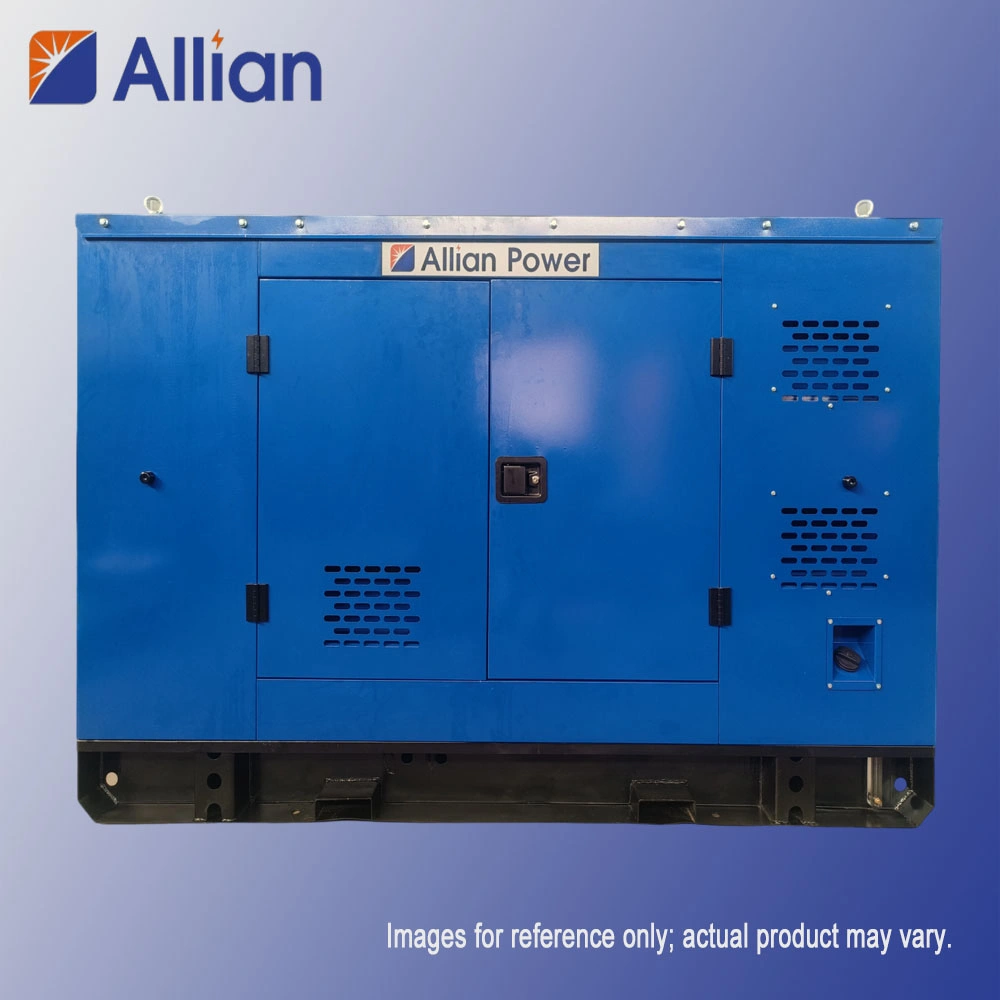
Lined with high-density flame-retardant soundproofing foam and internal mufflers. Reduces operating noise to 65–75 dBA @ 7m for urban and residential-adjacent use.
Equipped with heavy-gauge galvanized steel or aluminum enclosures, waterproof seals, and rust-resistant coatings for outdoor installation without building a shelter.
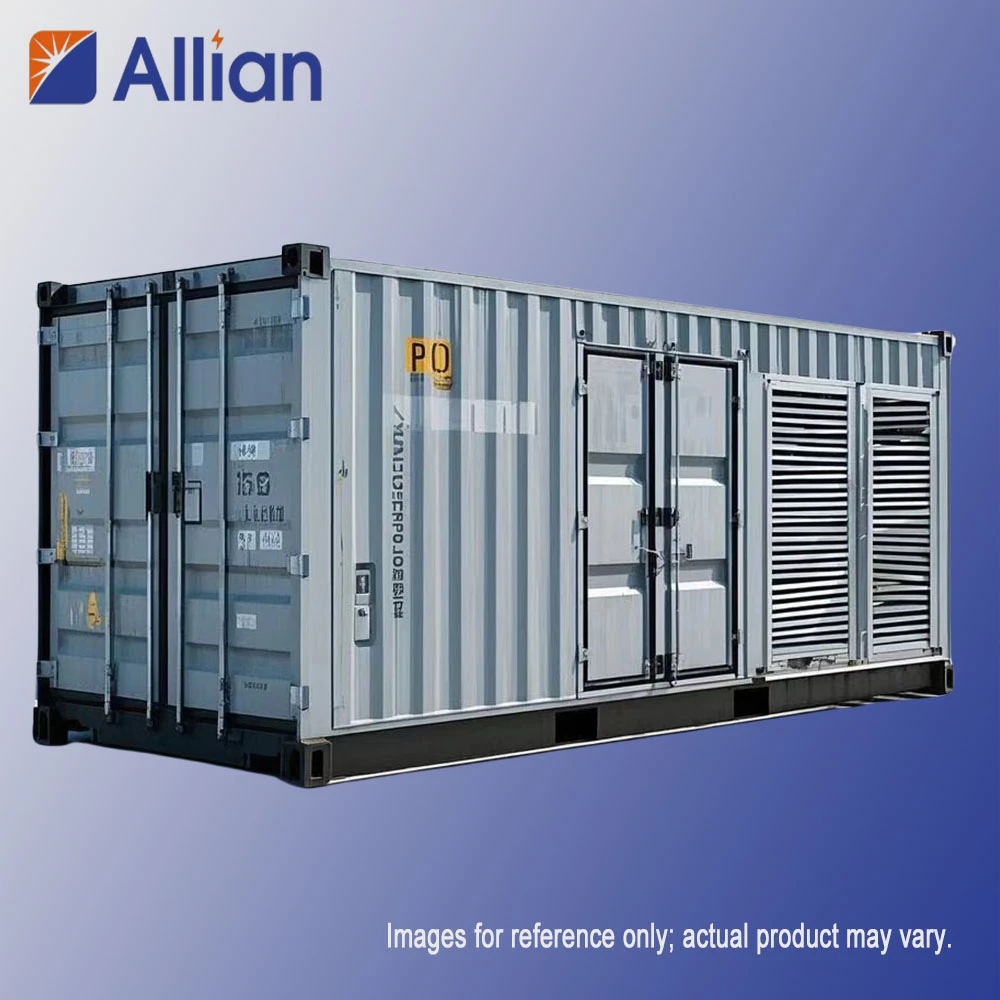
Engineered for high-capacity units (>800 kW). Offers structural strength, built-in fuel tanks, internal lighting, easy shipping, and rapid job-site connection.
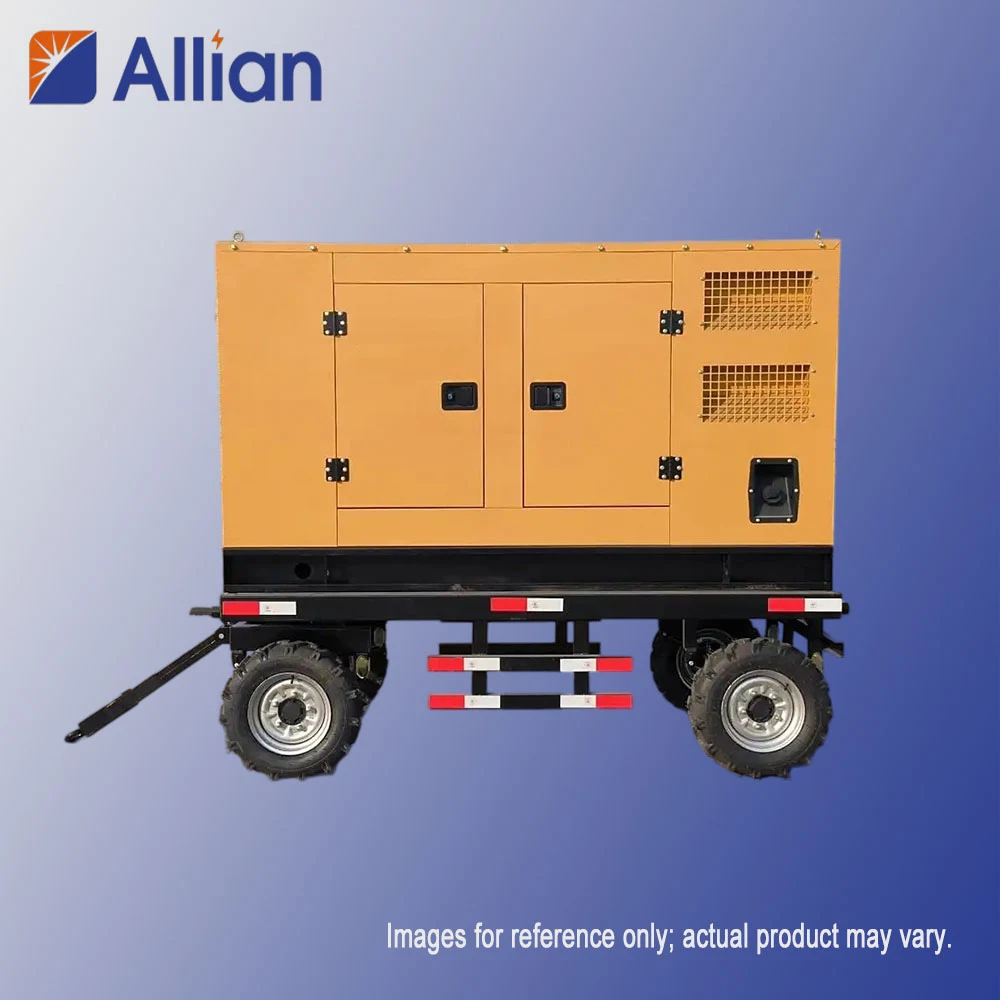
Mounted on road-certified single or dual-axle trailers with mechanical/hydraulic brakes, ideal for municipal roadwork, emergency rescue, and mobile crews.
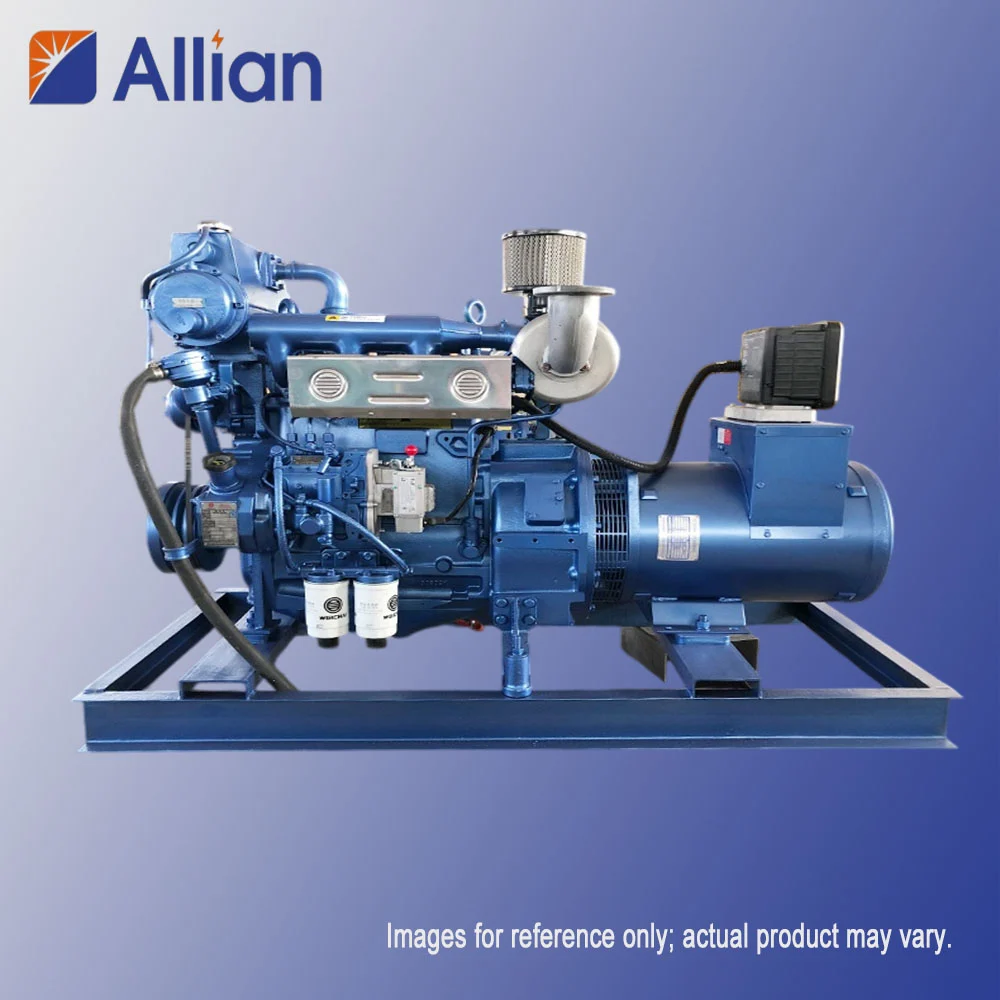
Features heavy-duty air filtration, IP23/IP44 ingress protection, epoxy-coated windings, and anti-saline marine paint for extreme harsh environments.
Generator sets can be customized with dedicated accessories to perform multi-functional engineering duties:
| Application Scenario | Custom Integrated Attachments | Operational Purpose |
|---|---|---|
| 1. Mine & Processing Plants | Heavy-duty air filters, anti-vibration skid, 24h base tank | Powers heavy jaw crushers, ball mills, and slurry pumps in dusty, high-altitude remote areas. |
| 2. Hospitals & Campuses | Soundproof canopy (<70 dB), ATS, ultra-fast electronic governor | Instantly switches power within 10 seconds during grid failures to preserve critical infrastructure. |
| 3. Emergency Dewatering | High-flow self-priming pump, wireless remote control system | Integrates generator power with high-capacity water pumps for telemetry-controlled flood drainage. |
| 4. Mobile Lighting Towers | Pneumatic/hydraulic mast, multi-directional LED floodlights | Serves as a portable power station and high-intensity illumination rig for night highway repair and disaster sites. |
| 5. Telecom & Remote Towers | Hybrid solar-battery controller, auto-oil top-off system | Ensures uninterrupted BTS transceiver operation in off-grid mountains with extended maintenance intervals. |
| 6. Marine & Offshore Dredging | Heat exchangers, marine anti-corrosion paint, double-skin fuel lines | Provides auxiliary or propulsion power for cutter suction dredgers and offshore rigs under high-salinity conditions. |
| 7. Oil & Gas Drilling Rigs | Explosion-proof spark arrestors, VFD compatibility, dual-fuel kits | Handles extreme load spikes from draw-works and mud pumps while utilizing wellhead gas to cut fuel burn. |
Choosing the correct generator set requires more than matching a single kilowatt number. Follow this structured 4-step framework to determine your ideal configuration:
Standby Power (ESP): Emergency backup during utility outages (annual run time <200 hrs; no overload capacity).
Prime Power (PRP): Primary power source for off-grid operations (24/7 continuous use with 10% overload permitted 1h per 12h).
Distinguish between resistive loads (heaters, lights) and inductive loads (electric motors, pumps, air compressors).
Direct-On-Line (DOL) motors pull 5 to 7 times their rated current at startup. Ensure generator capacity is sized 2.5 to 3 times the motor rating to handle inrush, or install Soft Starters / VFDs.
Standard genset ratings apply at altitude <1,000m and temperature <25°C. Derate capacity accordingly:
Select open-type for enclosed mechanical rooms, silent canopy for residential-adjacent projects, or containerized for heavy megawatt demands. Specify ATS and paralleling modules if seamless grid transfer or power scaling is required.
Convert active electrical load (kW) to required generator capacity (kVA) using power factor:
Example: To supply a 400 kW total continuous industrial load, you require a minimum apparent power rating of 500 kVA Prime Genset (400 / 0.8), plus additional safety margins for motor starting spikes.
A proactive preventive maintenance schedule extends genset lifespan, minimizes unexpected downtime, and preserves overall asset value.
Check engine oil and coolant levels. Inspect battery voltage (24–28V DC), fuel level, and check for oil, fuel, or water leaks. Ensure the control panel has no active alarm codes.
Replace engine oil and oil filters. Replace primary and secondary fuel filters/water separators. Inspect and clean the air filter element. Check belt tension and hose connections.
Replace air filters, flush and replace engine coolant, adjust valve clearances, test injector performance, inspect alternator windings, and torque base mounting bolts.
Standby gensets running unloaded or light-loaded (<30%) accumulate unburnt fuel and carbon deposits in exhaust manifolds (“wet stacking”). Perform a 2-hour Load Bank Test at 70%–100% rated load at least once a year to clear deposits and verify cooling efficiency.