Cummins Diesel Generator Set: Core Components & Nameplate Guide
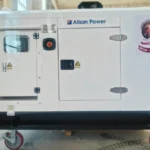
Cummins diesel generator sets are globally recognized for their exceptional stability, durability, and high performance. Serving as either primary or standby (emergency) power sources, they are extensively deployed across critical sectors, including telecommunications, healthcare, military operations, high-rise commercial buildings, rail transport, construction sites, mining, and oil exploration.These power systems can be customized into various operational configurations, such as open-frame units, soundproof enclosures, trailer-mounted mobile units, auto-start systems, intelligent remote-monitoring (“Three-Remote”) setups, and paralleling systems integrated with Automatic Transfer Switches (ATS). Mastering their primary components and correctly interpreting nameplate specifications is essential for efficient operation, preventive maintenance, and rapid troubleshooting.
1. Comprehensive Breakdown of Core Components
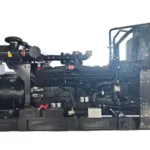
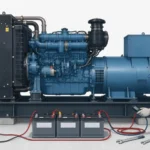
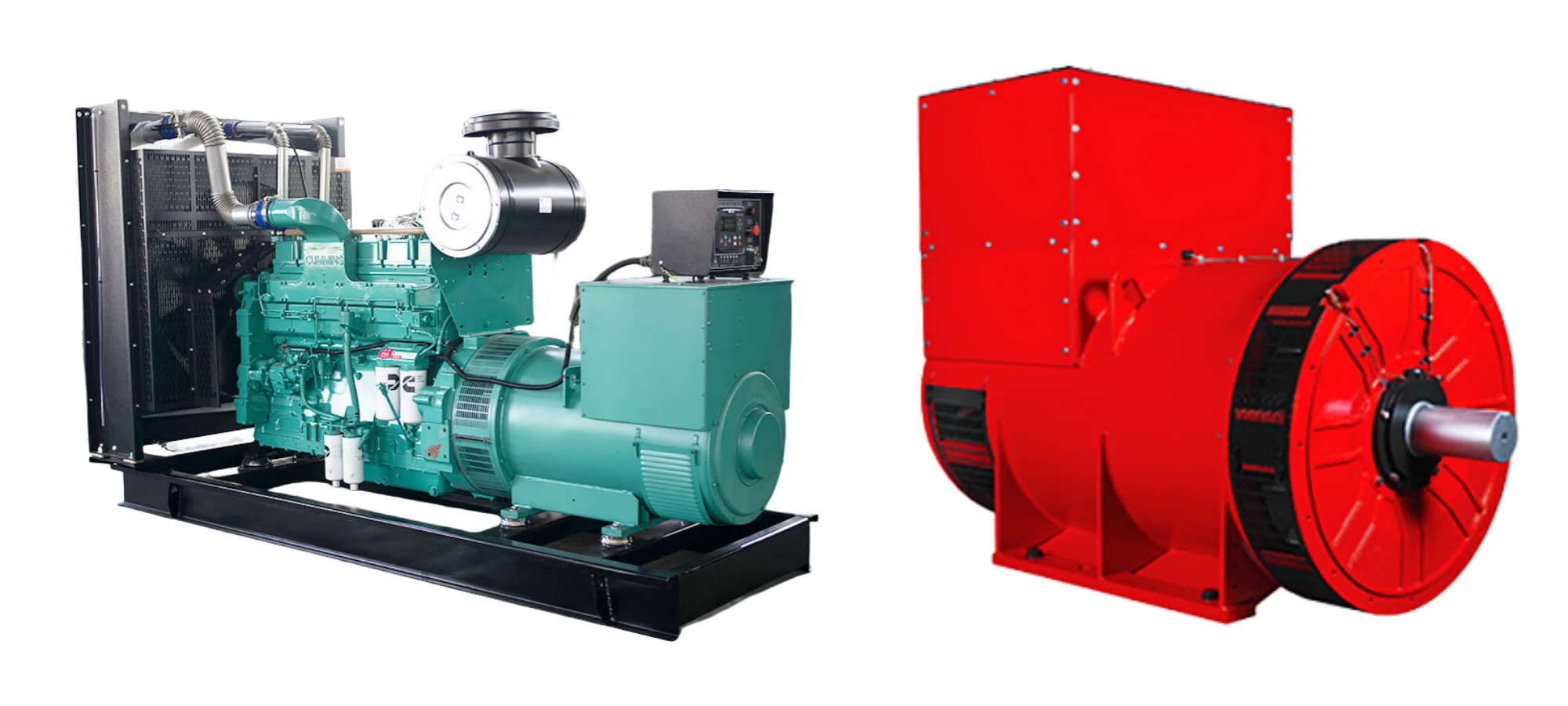
Achieving seamless, high-efficiency power generation relies on the synergy among three primary subsystems. Cummins generator sets combine industry-leading engine engineering with advanced emissions control, fuel efficiency, and noise-reduction technology.
| Core Subsystem | Primary Assemblies | Core Functional Overview |
|---|---|---|
| Diesel Engine | Cylinder block, crankshaft, pistons, fuel system (e.g., PT system), turbocharger, lubrication & cooling systems | The primary power source; converts chemical energy in diesel fuel into mechanical energy. Its reliability directly dictates system output capacity. |
| Alternator | Stator, rotor, excitation system (AVR / optional PMG) | Converts mechanical energy into stable electrical energy, directly influencing voltage stability and current waveform quality. |
| Control System | Control panel (Manual/Auto-Start/Remote), sensors, output circuit breaker | Acts as the “brain” of the generator set, monitoring parameters, executing automatic control, providing fault protection, and enabling remote telemetry. |
1.1 Diesel Engine: The Powerhouse
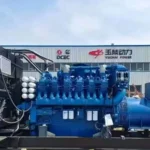
Serving as the engine heart, Cummins generator sets utilize trusted engine platforms manufactured by joint ventures and facilities such as Dongfeng Cummins (CCEC), Chongqing Cummins (DCEC), and Xi’an Cummins. Key design highlights include:
- Proprietary Fuel Technology: Equipped with Cummins’ patented Pressure-Time (PT) fuel system, featuring low-pressure supply with high-pressure injection, exceptional reliability, and integrated overspeed protection. Most models incorporate Holset® turbochargers to optimize air intake and power density.
- Heavy-Duty Architecture: Built with high-strength inline or V-configuration cylinder blocks, replaceable wet cylinder liners for easy overhaul, and 4-valve-per-cylinder designs for improved airflow and combustion efficiency.
- Advanced Auxiliary Systems: Features variable-flow oil pumps that adjust lubrication dynamically to reduce parasitic power loss, along with forced liquid-cooling systems using gear-driven centrifugal pumps to maintain optimal thermal balance and reduce noise.
1.2 Alternator (Stamford Series)
Cummins power units typically integrate single-bearing, brushless, self-excited AC alternators from the STAMFORD® brand, engineered to IP23 protection standards and Class H insulation for harsh industrial environments.
- 2/3 Pitch Winding Stator: Mitigates output voltage waveform distortion and minimizes winding heat accumulation.
- Dynamically Balanced Rotor: Features robust damper windings to reduce voltage fluctuations under non-linear or shifting loads.
- Automatic Voltage Regulation (AVR): Maintains steady-state voltage regulation within ±1% (or ±0.5% for precision applications). Optional Permanent Magnet Generator (PMG) excitation delivers superior motor-starting capabilities and immune performance against non-linear load interference (e.g., UPS, variable frequency drives).
- Low EMI Output: Complies with Telephone Influence Factor (TIF < 50) and Telephone Harmonic Factor (THF < 2%), minimizing radio frequency interference.
1.3 Intelligent Control System
The control panel determines operational flexibility and system safety. Available in side-mount or top-mount configurations, controls range from standard manual startup modules to fully automated ATS interfaces and “Three-Remote” (telemetry, tele-signaling, tele-control) digital controllers.
- Real-Time Diagnostics: Continuously monitors oil pressure, coolant temperature, engine RPM, running hours, output voltage, current, and frequency.
- Automated Protection: Triggers immediate visual/audible alarms and emergency shutdowns upon detecting low oil pressure, engine overheating, or overspeed conditions.
- Circuit Protection: Integrated molded-case circuit breakers (MCCB) protect the alternator from overcurrent surges and phase short-circuits.
1.4 Auxiliary Equipment
Standard complete packages include 40°C or 50°C heavy-duty ambient radiators, Fleetguard® air filtration systems, pulse dry exhaust manifolds with industrial silencers, starting batteries with rack assemblies, and anti-vibration rubber mounts.
2. Decoding the Equipment Nameplate
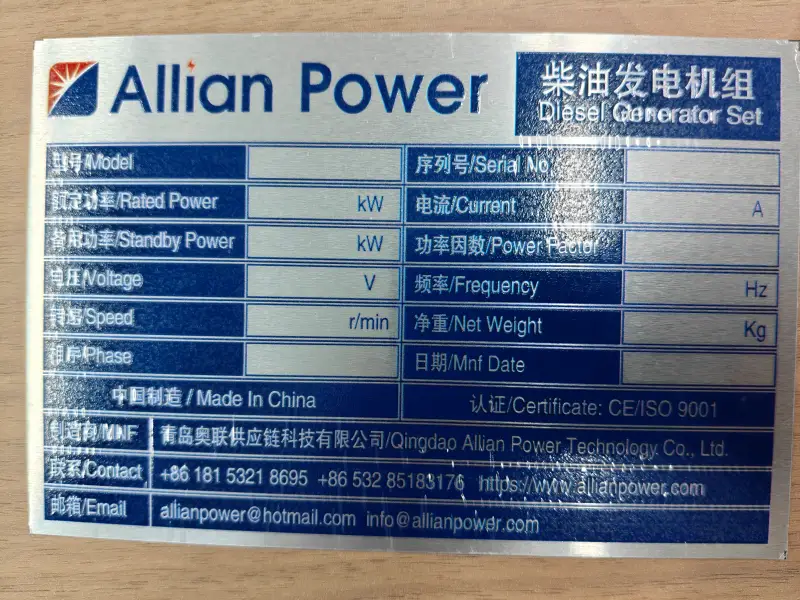
Every Cummins generator set carries a factory rating plate that serves as its unique official identifier. Accurate reference to the model number and serial number (S/N) is essential when ordering spare parts, requesting warranty service, or performing technical maintenance.
2.1 Key Information Recorded on the Nameplate
- Generator Set Model: Expresses system capacity and engine series configuration (e.g.,
6BTA5.9-G2). - Serial Number (S/N): A unique global identifier required to pull factory build sheets and warranty records.
- Rated Power Output: Indicated in kW and kVA (typically calculated at a 0.8 lagging power factor). Distinguishes between Prime Power (PRP) and Standby Power (ESP).
- Electrical Output Parameters: Rated voltage (e.g., 400V/230V), rated current (A), rated frequency (50Hz / 60Hz), and power factor.
- Engine Speed: Standardized at 1500 RPM for 50Hz applications and 1800 RPM for 60Hz applications.
- Manufacturing Details: Production date (month/year), IP enclosure rating (e.g., IP23), and factory origin (e.g., Chongqing Cummins Engine Co., Ltd.).
2.2 Engine Model Naming Convention (Example Breakdown)
Taking the Dongfeng Cummins 6BTA5.9-G2 engine as an example:
6— Number of cylinders (6 inline cylinders).B— Cummins B-Series engine family.T— Turbocharged.A— Charge Air Cooled (Aftercooled / Intercooled).5.9— Engine displacement in liters (5.9L).G2— Generator drive application code (version/iteration 2).
2.3 Best Practices for Managing Nameplate Data
- Digital Archiving: Take a clear photo of the nameplate and record the serial number in the equipment service log immediately upon commissioning.
- Derating Compliance: Always consult nameplate specs and factory derating charts when operating at high altitudes (above 1000m) or high ambient temperatures (above 40°C) to prevent overload thermal damage.
- OEM Support: Always provide the full serial number when contacting authorized Cummins distributors for replacement parts or technical support to ensure 100% component compatibility.
Request a Quote for Cummins Diesel Generator Set: Core Components & Nameplate Guide
Tell us your requirements and destination port — we reply with a quotation within 12 hours.
Shall we talk now? You can reach us on WhatsApp.
WhatsApp Us