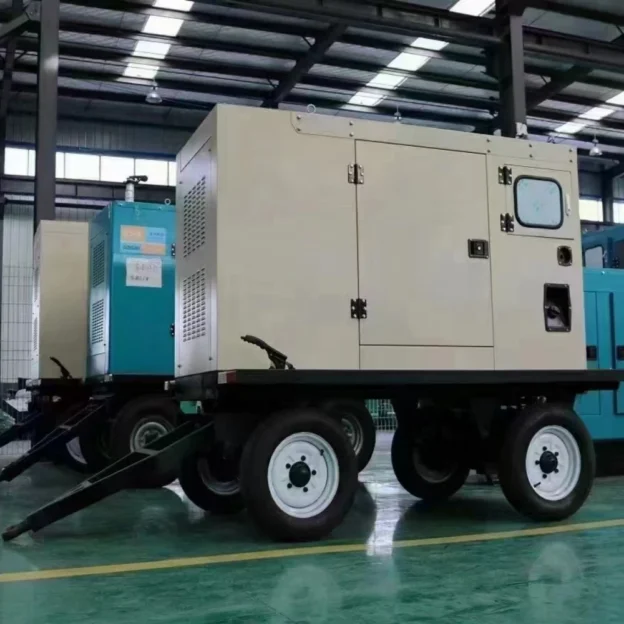
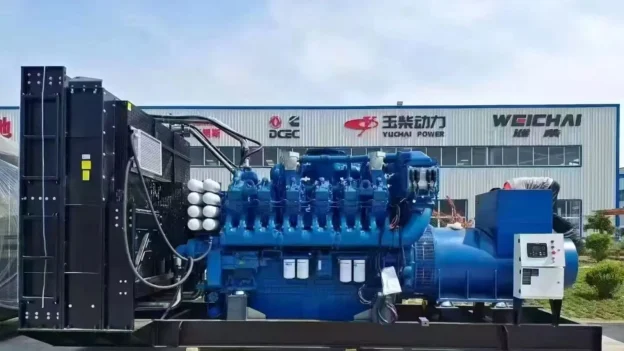
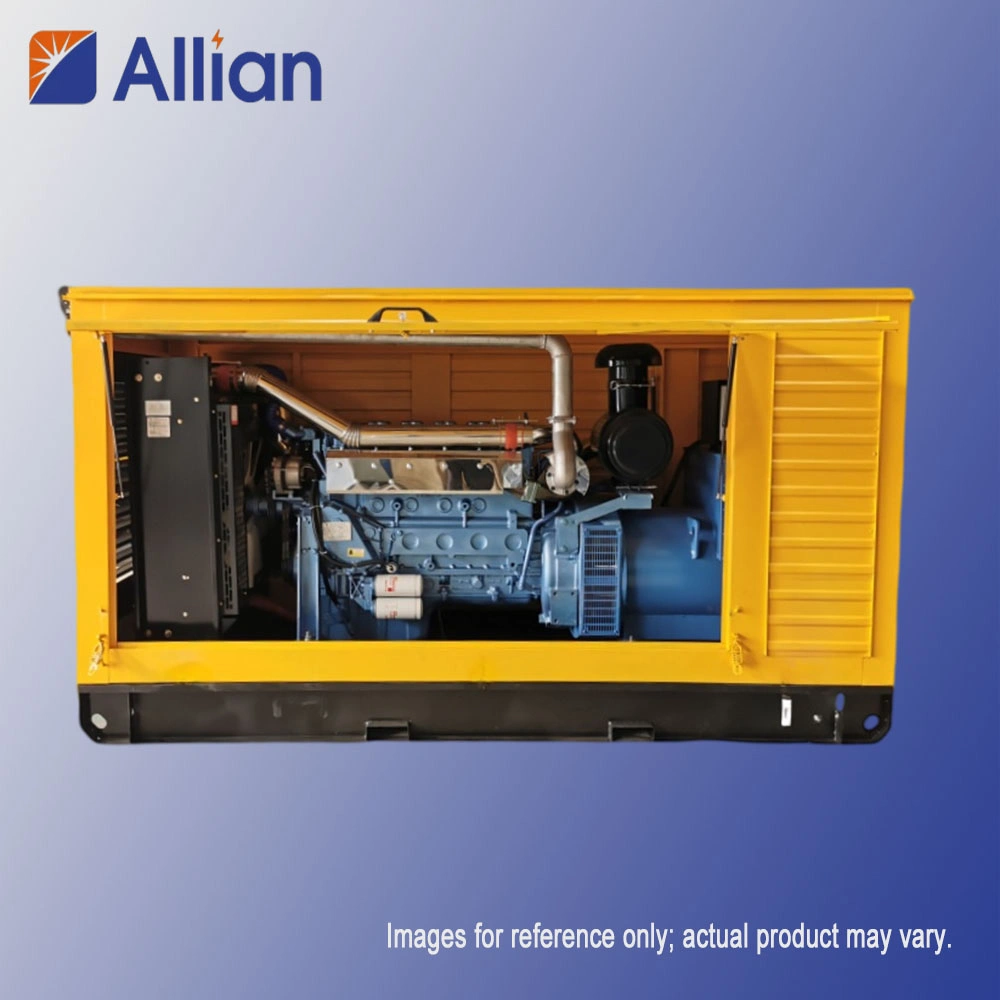
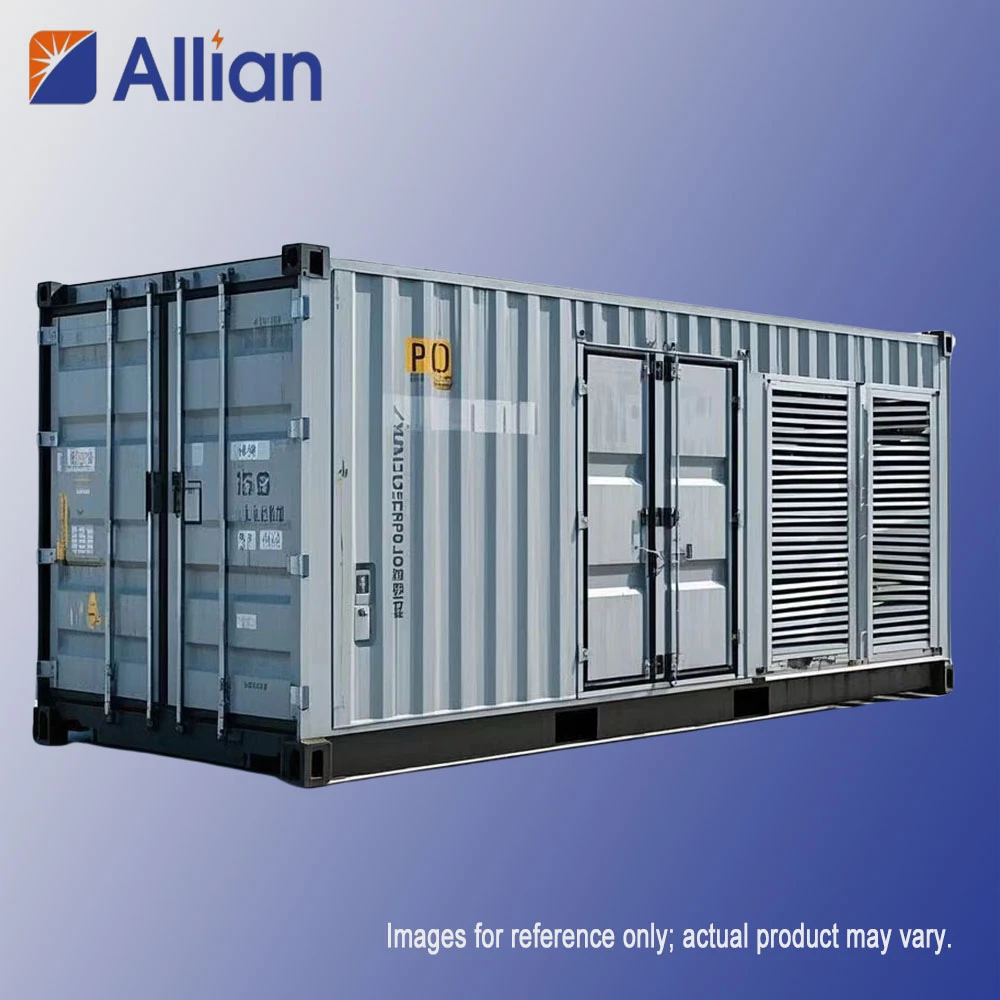
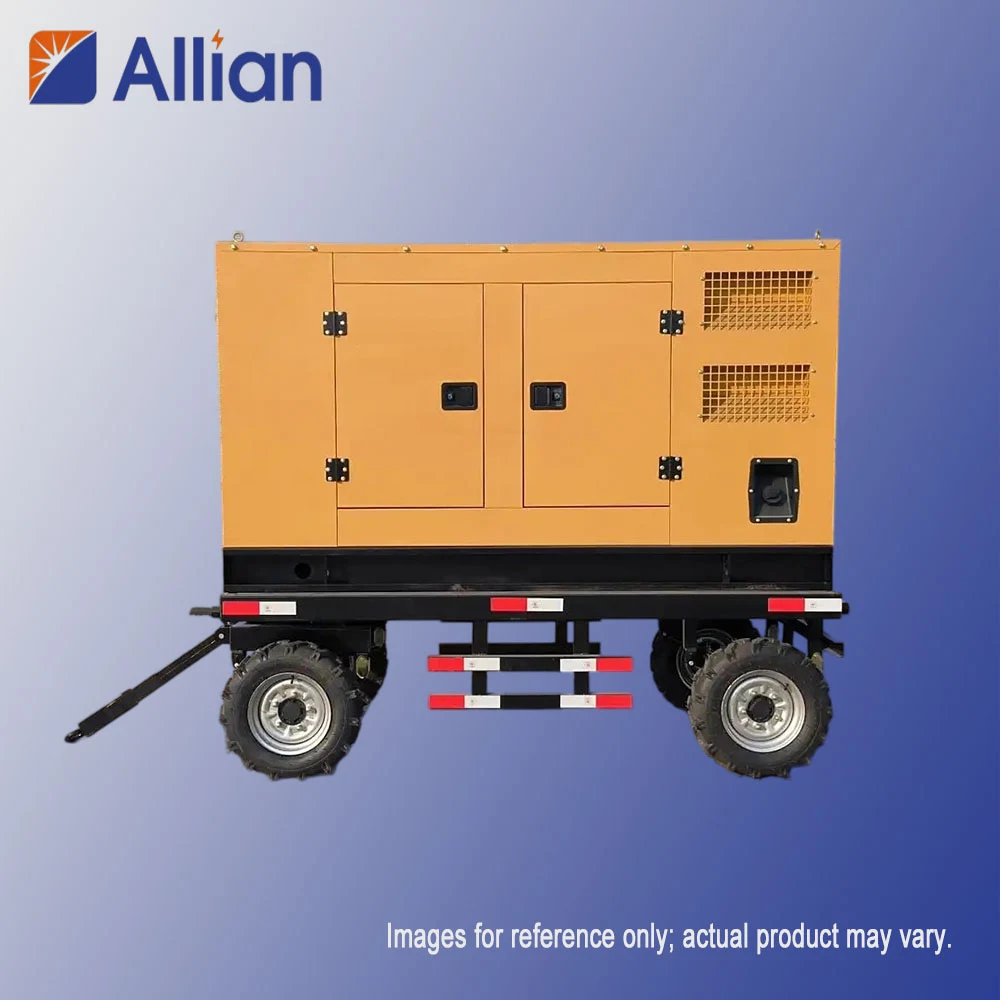
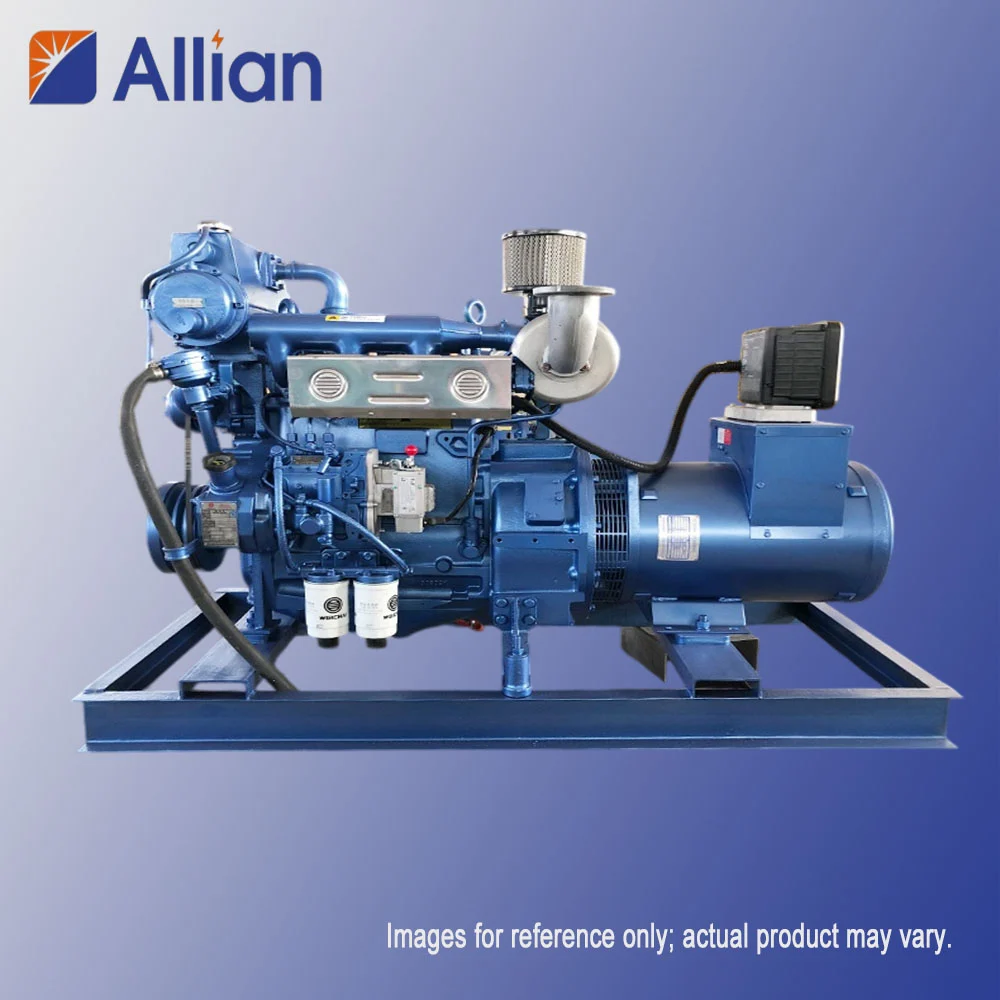
The field emergency mobile power station is a professional emergency power guarantee equipment designed for sudden power outages, disaster rescue, field exploration and off-grid operation scenarios. Based on trailer-mounted mobile generator technology, it integrates rapid deployment, all-weather operation and safe and stable power supply functions, which can quickly respond to various emergency power demand scenarios.
The power station is optional with 10kW-1200kW full power range, matched with domestic and international first-class diesel engines. The whole vehicle adopts fully sealed rainproof and dustproof design, with built-in fire extinguishing device, explosion-proof lighting, emergency stop system and overvoltage/short-circuit protection functions, meeting the safety standards of emergency rescue operations.
Flexible wheel configurations (2/4/6 wheels) and multi-mode braking systems support rapid transportation and on-site deployment in mountainous areas, wetlands and rugged roads. The integrated spring shock absorption and hydraulic stabilization device ensure stable power supply in complex environments. Silent noise reduction configuration is optional to adapt to urban emergency rescue and residential power restoration work. It is widely used in municipal emergency rescue, power grid maintenance, post-disaster power restoration, field exploration and military mobile power supply.
Product Advantages
Rapid deployment, suitable for emergency sudden power demand
All-weather rainproof, dustproof and windproof, strong environmental adaptability
Complete safety protection, zero risk in emergency operation
Full power range coverage, multi-scenario universal
Silent and ordinary dual versions optional
Product Name
Field Emergency Mobile Power Station
Power Range
10kW ~ 1200kW (Customizable)
Environmental Adaptability
All-weather Rainproof, Dustproof, Wind-resistant
Safety Configuration
Emergency Stop, Short-circuit Protection, Fire Extinguisher, Explosion-proof Lamp
Mobility Configuration
2/4/6 Wheels, Multi-mode Braking System
Optional Function
Silent Noise Reduction, Hydraulic Support Legs
Core Application
Emergency Rescue, Power Outage Backup, Field Exploration, Grid Maintenance
In industrial manufacturing, mining projects, municipal infrastructure, and commercial facilities, Generator Sets (Gensets) serve as the ultimate backbone for power security. Whether deployed for continuous off-grid operation or emergency standby power, understanding genset architecture, fuel dynamics, structural protection, maintenance schedules, and selection methodologies is vital for optimizing total cost of ownership (TCO) and operational reliability.
1. How a Generator Set Works & Core Subsystems
A generator set is an integrated energy conversion system that transforms fuel (chemical energy) into rotational torque (mechanical energy) and ultimately into stable AC electrical power.
Energy Conversion Flow
1. Engine
Combustion converts fuel to mechanical energy
➤
2. Alternator
Electromagnetic induction yields AC power
➤
3. Control System
AVR & Controller manage output & protection
Primary Components & Industry-Leading Brands
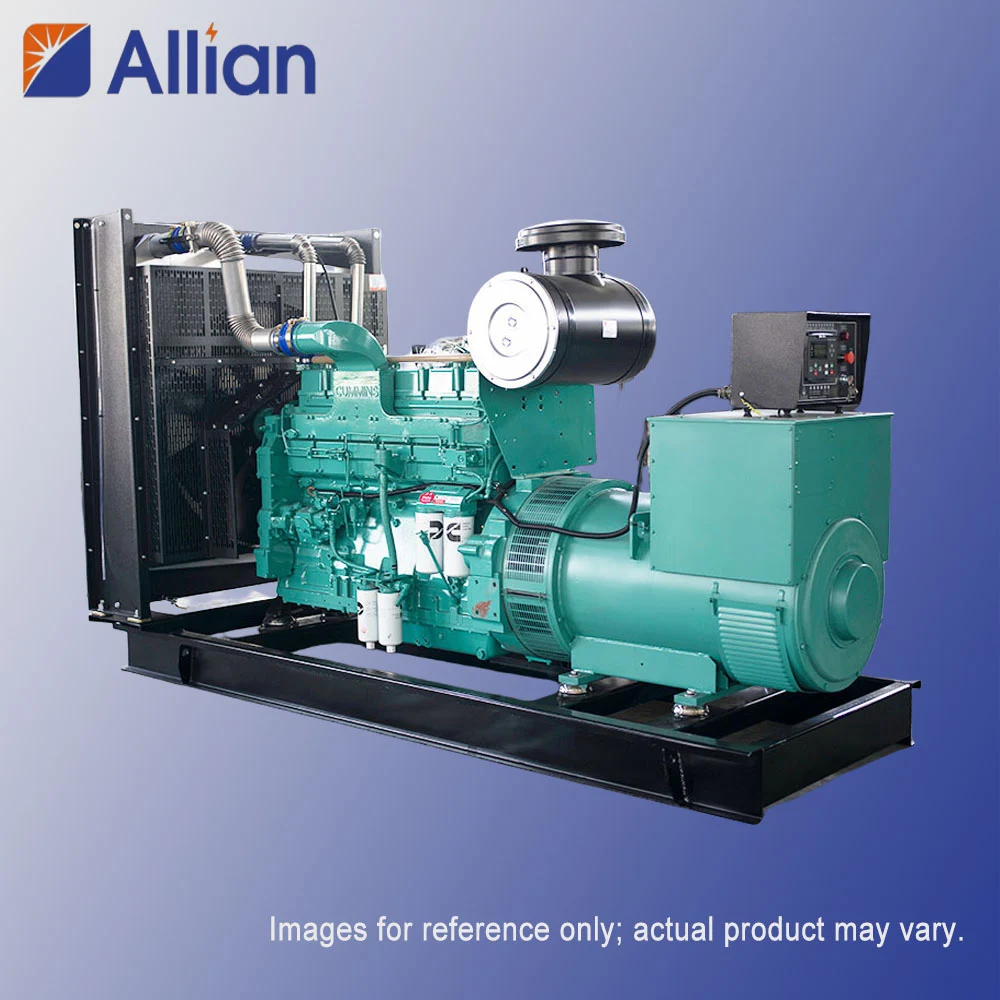
Powertrain (Engine): Converts fuel combustion into high-torque shaft rotation.
Electrical Alternator: Utilizes a brushless synchronous mechanism where a rotating magnetic field induces clean AC current within the stator windings.
Stamford (Cummins Technologies) Leroy-Somer (France) Marathon Electric (USA) Mecc Alte (Italy) EvoTec (China)
Control Unit & AVR (Automatic Voltage Regulator): The brain of the genset. Microprocessor controllers (e.g., Deep Sea Electronics, ComAp, SmartGen) manage auto-start via ATS, paralleling synchronization, and safety shutdowns. The AVR keeps output voltage fluctuations strictly within ±0.5% to ±1%.
Cooling & Structural Skid: Heavy-duty radiators, intercoolers, and anti-vibration steel base frames maintain thermal equilibrium under 100% continuous load.
2. Classification of Generator Sets
A. Classification by Fuel Type
Fuel Type
Core Advantages
Key Limitations
Industrial Applicability
Diesel Genset
High thermal efficiency, maximum starting torque, highly durable, reliable fuel storage.
Specialized Use
Mainly regional green pilot projects or light commercial backup.
B. Classification by Enclosure & Structural Protection
Open-Frame Gensets
Designed for installation inside dedicated, soundproofed plant rooms. Features direct access for easy maintenance and maximum natural heat dissipation.
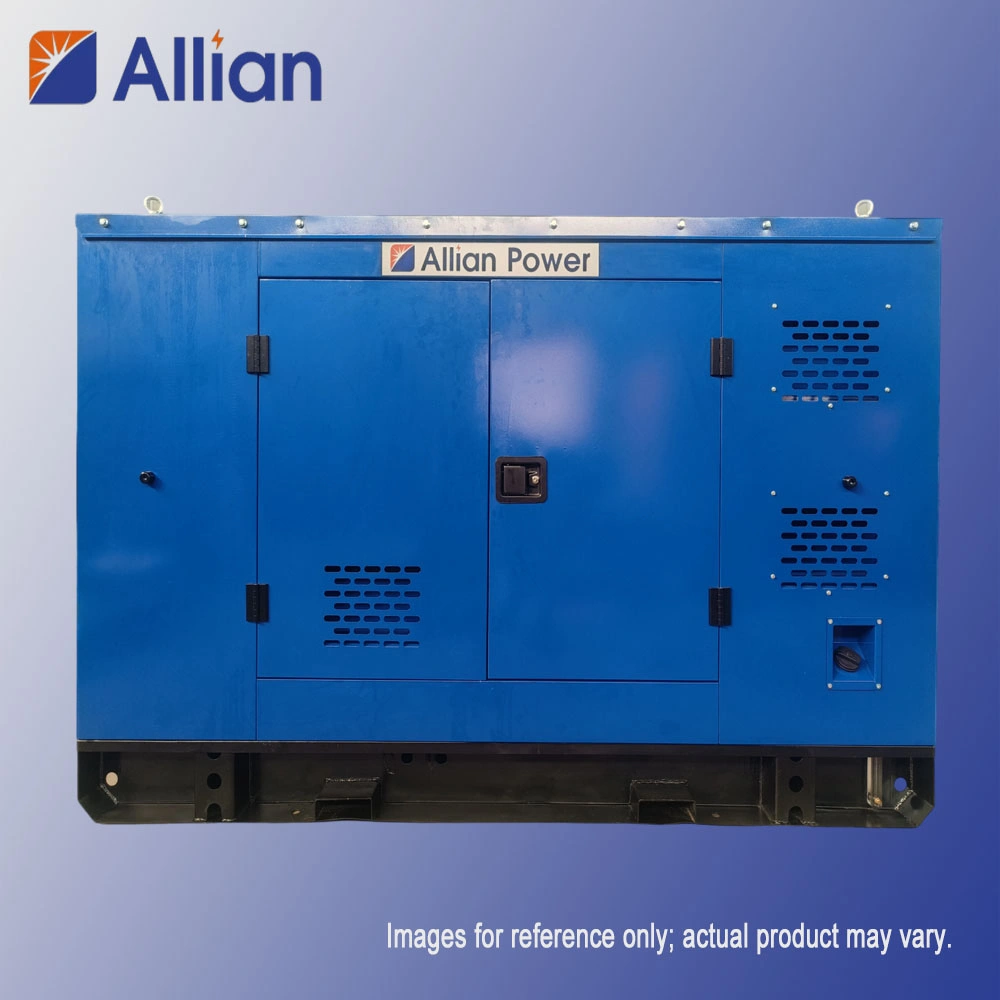
Silent / Soundproof Enclosure
Lined with high-density flame-retardant soundproofing foam and internal mufflers. Reduces operating noise to 65–75 dBA @ 7m for urban and residential-adjacent use.
Weatherproof / Rainproof Type
Equipped with heavy-gauge galvanized steel or aluminum enclosures, waterproof seals, and rust-resistant coatings for outdoor installation without building a shelter.
Containerized Type (20ft / 40ft ISO)
Engineered for high-capacity units (>800 kW). Offers structural strength, built-in fuel tanks, internal lighting, easy shipping, and rapid job-site connection.
Mobile Trailer Power Station
Mounted on road-certified single or dual-axle trailers with mechanical/hydraulic brakes, ideal for municipal roadwork, emergency rescue, and mobile crews.
Dust-Proof & Anti-Corrosion (Mining/Marine)
Features heavy-duty air filtration, IP23/IP44 ingress protection, epoxy-coated windings, and anti-saline marine paint for extreme harsh environments.
Handles extreme load spikes from draw-works and mud pumps while utilizing wellhead gas to cut fuel burn.
4. How to Select the Right Generator Set (Step-by-Step)
Choosing the correct generator set requires more than matching a single kilowatt number. Follow this structured 4-step framework to determine your ideal configuration:
1
Determine Operating Duty (ISO 8528)
Standby Power (ESP): Emergency backup during utility outages (annual run time <200 hrs; no overload capacity).
Prime Power (PRP): Primary power source for off-grid operations (24/7 continuous use with 10% overload permitted 1h per 12h).
2
Calculate Total Load & Motor Inrush
Distinguish between resistive loads (heaters, lights) and inductive loads (electric motors, pumps, air compressors).
Direct-On-Line (DOL) motors pull 5 to 7 times their rated current at startup. Ensure generator capacity is sized 2.5 to 3 times the motor rating to handle inrush, or install Soft Starters / VFDs.
3
Apply Environmental Derating Factors
Standard genset ratings apply at altitude <1,000m and temperature <25°C. Derate capacity accordingly:
Altitude: Deduct ~3% to 5% power per 500m above 1,000m.
Temperature: Deduct ~2% to 3% power per 5°C above 40°C.
4
Select Enclosure & Automation Level
Select open-type for enclosed mechanical rooms, silent canopy for residential-adjacent projects, or containerized for heavy megawatt demands. Specify ATS and paralleling modules if seamless grid transfer or power scaling is required.
⚡ Quick Power Sizing Formula
Convert active electrical load (kW) to required generator capacity (kVA) using power factor:
Apparent Power S (kVA) = Active Power P (kW) / Power Factor cosφ (typically 0.8)
Example: To supply a 400 kW total continuous industrial load, you require a minimum apparent power rating of 500 kVA Prime Genset (400 / 0.8), plus additional safety margins for motor starting spikes.
5. Preventative Maintenance & Service Best Practices
A proactive preventive maintenance schedule extends genset lifespan, minimizes unexpected downtime, and preserves overall asset value.
Daily / Pre-Start Visual & Routine Checks
Check engine oil and coolant levels. Inspect battery voltage (24–28V DC), fuel level, and check for oil, fuel, or water leaks. Ensure the control panel has no active alarm codes.
Every 250 – 500 Hours Minor Service Interval
Replace engine oil and oil filters. Replace primary and secondary fuel filters/water separators. Inspect and clean the air filter element. Check belt tension and hose connections.
Every 1000 Hours / Annually Major Service Interval
Replace air filters, flush and replace engine coolant, adjust valve clearances, test injector performance, inspect alternator windings, and torque base mounting bolts.
Critical Procedure Preventing “Wet Stacking” via Load Bank Testing
Standby gensets running unloaded or light-loaded (<30%) accumulate unburnt fuel and carbon deposits in exhaust manifolds (“wet stacking”). Perform a 2-hour Load Bank Test at 70%–100% rated load at least once a year to clear deposits and verify cooling efficiency.
Manual/Autostart Optional, Brand: Deep Sea, SmartGen, ComAp
Construction
Highly Corrosion Resistant Construction with Shock Absorbers
Enclosure Features
Weatherproof & Soundproof Canopy with Integrated Fuel Tank & Exhaust Silencer
This website uses cookies to analyze traffic, optimize browsing experience and deliver relevant marketing content. You may accept all cookies or decline non-essential tracking cookies. View our full rules in the User Privacy Policy.