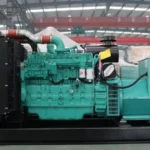
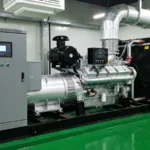
How to Fix Diesel Generator Black Smoke: Troubleshooting Guide
1. Check and Clean the Air Filter
The air filter plays a crucial role in ensuring an adequate supply of clean air to the engine. If the generator air filter is clogged with dirt, dust, or debris, it severely restricts the air intake. As a result, the air-fuel ratio becomes imbalanced (less air and relatively more fuel), leading to incomplete diesel combustion and generator black smoke.
- Maintenance Tip: Regularly inspect the engine air filter. If it is dirty, carefully remove and clean it according to the manufacturer’s instructions.
- Replacement: In some cases, a severely clogged or damaged air filter must be replaced to restore proper airflow and engine efficiency.
2. Inspect the Fuel Injection System
Faulty fuel injectors are a primary cause of improper fuel spraying into the combustion chamber. If the injectors are clogged or have worn-out nozzles, the diesel fuel cannot be atomized properly. Instead of a fine, consistent mist, large droplets of fuel enter the chamber, causing incomplete combustion and thick black smoke.
- Diagnostic Action: Have a professional technician use specialized diagnostic tools to check the fuel injection pressure and the spray pattern.
- Solution: Depending on the wear, the injectors may need to be cleaned, calibrated, or completely replaced to ensure accurate fuel delivery.
3. Examine the Turbocharger Performance
In turbocharged diesel generator sets, a malfunctioning turbocharger is a common culprit behind black exhaust smoke. The turbocharger compresses the air entering the engine, increasing air density and drastically improving combustion efficiency. If the turbine or compressor wheel is damaged, the system fails to supply enough compressed air to match the fuel intake.
- What to Check: Listen for abnormal whining noises from the turbocharger area and inspect all hoses, clamps, and connections for air leaks.
- Resolution: A faulty turbocharger typically requires professional repair or replacement by a trained generator service engineer.
4. Analyze the Exhaust Gas Recirculation (EGR) System
The EGR (Exhaust Gas Recirculation) system is designed to recirculate a portion of the exhaust gases back into the intake manifold to reduce emissions. However, if the EGR valve gets stuck open or heavily clogged with carbon deposits, it disrupts the entire normal combustion process.
- The Problem: When stuck open, an excessive amount of exhaust gas enters the cylinder, leading to oxygen deficiency, incomplete combustion, and black smoke emissions.
- Fix: Inspect the EGR valve and its associated passages for blockages. Clean the carbon buildup or replace the valve if it fails to operate mechanically.
5. Verify Engine Load Limits and Operating Conditions
Generator overloading is one of the most frequent operational reasons for black smoke. When a diesel generator is forced to supply power beyond its rated prime or standby capacity, the engine works under extreme stress. This creates an insufficient air-fuel ratio, resulting in unburnt carbon being expelled as black smoke.
- Load Management: Always ensure that the total power demand operates within the designed load limits of your generator set. Adjust the electrical load accordingly.
- Warm-up Protocol: Ensure the engine is properly warmed up before subjecting it to heavy loads. A cold diesel engine operates with lower thermal efficiency and is far more prone to producing dark exhaust.