Cummins Diesel Generator Cooling System Maintenance & Coolant Guide
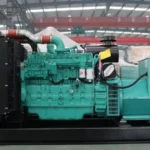
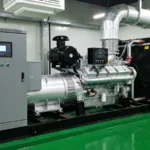
Cummins diesel generator sets primarily utilize a closed-loop liquid cooling system equipped with a built-in, engine-driven fan. Maintaining precise temperature control within this circuit is critical to preventing thermal stress, reducing component wear, and ensuring uninterrupted power deployment.
A standard Cummins cooling loop comprises several heavy-duty components working in tandem:
- Water pump and internal cylinder block cooling jackets
- Thermostat and bypass piping
- Radiator core, heavy-duty hoses, and lines
- Oil cooler and integrated coolant filters (on specified models)

For custom or non-standard configurations (such as remote cooling systems), the traditional radiator is replaced by a high-efficiency heat exchanger, accompanied by a surge tank and a remote cooling fan. Technical Note: If the remote fan is installed at a high elevation, a transition expansion tank must be integrated into the loop to mitigate excessive internal pressure and protect the heat exchanger core from structural fatigue.
CRITICAL NOTICE: Airborne dust, grease, and debris adhering to the radiator fins will drastically impair thermal dissipation. In high-dust environments, regular radiator core flushing is mandatory to prevent engine overheating.
1. Coolant Specifications & Selection Criteria
Engine coolant is not just “water”—it serves three vital engineering functions:
- Maximizes heat transfer capacity across all operational loads.
- Prevents cavitation erosion and chemical corrosion on internal metallurgy and elastomeric seals.
- Provides robust anti-freezing protection in extreme climates.
Water Quality & Antifreeze Blending
- Water Standards: The base water must have a stable pH value between 6 and 8. Distilled or deionized water is highly recommended to prevent scale buildup.
- Freezing Climates: In cold regions, a premixed antifreeze solution matching the local minimum ambient temperature is required. Always blend the water and ethylene glycol evenly in a separate container before pouring it into the radiator to eliminate thermal stratification. High-quality antifreeze also raises the boiling point, preventing “boil-over” during peak load periods.
- Non-Freezing Climates: In tropical or temperature-controlled environments, a dedicated rust inhibitor can substitute for antifreeze. This maximizes thermal efficiency while protecting internal water jackets. After the initial fill, run the genset until it reaches normal operating temperature to activate the anti-corrosive protective film.
Maintenance Interval: Flush and replace the coolant every two years. Over time, chemical additives deplete, leading to sediment accumulation, rust risks, and erratic water temperature sensor readings.
2. Coolant Draining, Flushing & Refilling Protocols
Draining & Flushing
Never attempt to drain the cooling system while the engine is hot. Shut down the generator and allow the block to cool completely. Slowly remove the radiator filler cap to relieve residual pressure, then open both the radiator drain valve and the engine block drain plugs. If equipped, spin off the old coolant filter and fit a genuine replacement. Flush the circuit thoroughly with clean water until the discharge runs perfectly clear.

Refilling & Air Bleeding
Tighten all drain plugs before refilling. Pour the premixed coolant into the system slowly to prevent air pockets from forming within the cylinder head water jackets.
Air must be vented through the main filler neck and the cylinder head air release valves (typically located at the highest point of the cooling circuit, near the thermostat or temperature sensor). If the system includes an auxiliary jacket heater, open its control valve completely during the fill process. Pro-Tip: If an air release valve is unavailable, slightly loosen the water temperature sensor until liquid flows out, then re-torque it immediately.
Fill the radiator until the liquid level sits exactly 5 cm (2 inches) below the top welding seam or aligns with the level sight glass. Do not crank the engine until venting is complete. Once filled, start the genset, let it reach operating temperature, recheck the level, and top off with identical coolant specifications if necessary. For filtered loops, ensure the filter valve handle is turned to the vertical (open) position prior to formal operation.
3. Optional Accessories: Coolant Preheaters
To guarantee rapid emergency startup and seamless load acceptance in sub-zero environments, Cummins generator sets can be configured with two types of jacket preheaters:
- AC-Powered Electric Preheaters: Utilizes shore/mains power to maintain constant engine block temperatures during standby mode.
- DC-Powered Fuel-Fired Preheaters: Draws diesel directly from the generator’s fuel system, making it ideal for remote or off-grid sites without reliable AC power.
All preheaters supplied by Allian Power come factory-installed and pre-commissioned. Users only need to connect the corresponding power supply or fuel line according to the wiring schematics to activate automatic cold-start protection.